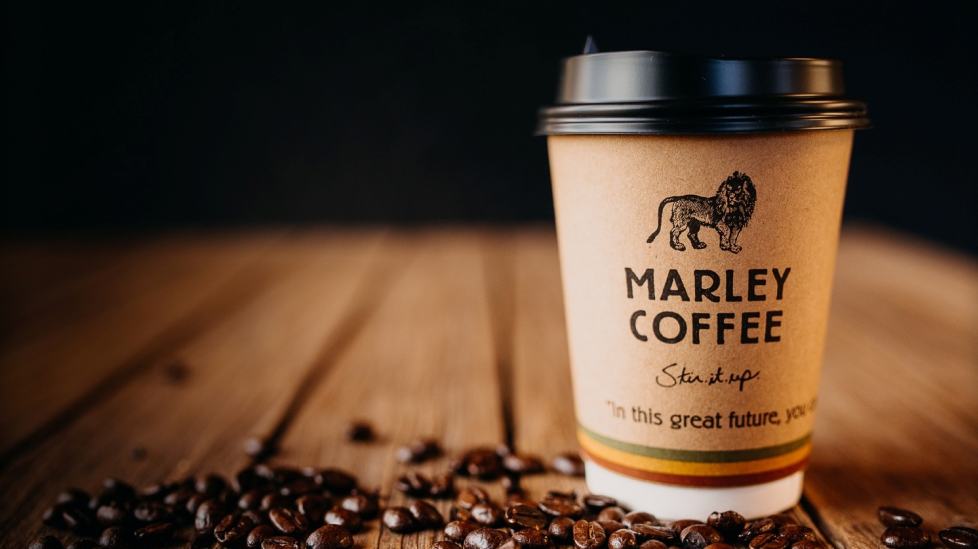
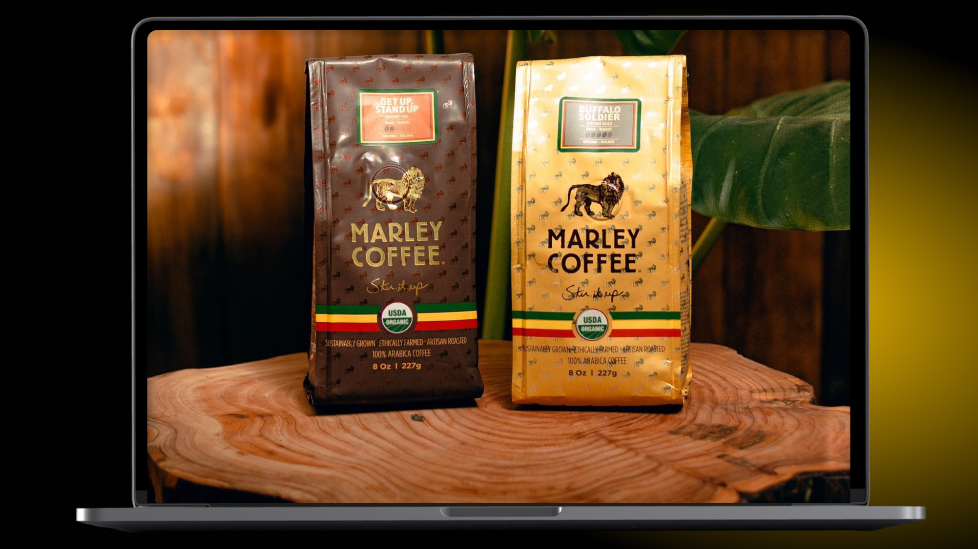
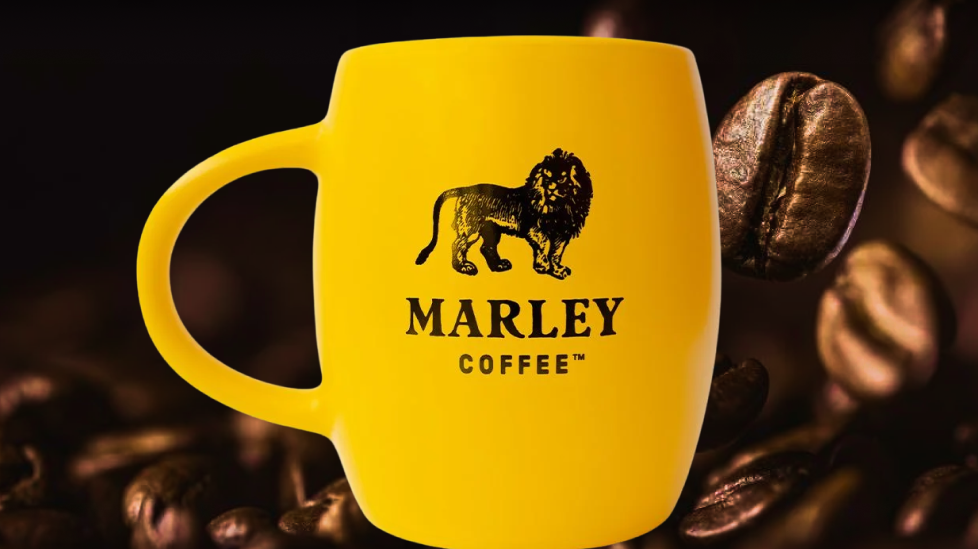
Marley Coffee arrived in Chile in 2015 with a concept that wasn't about selling coffee, but about how coffee makes you feel.
In a formal and predictable market, where two or three brands dominated the space, Marley Coffee emerged with something different: organic coffee, an aesthetic rooted in art and music, and the legacy of Bob Marley. An experience. A ritual. A community.
The results came quickly. Rapid growth. Real followers. A brand that people recognized at the supermarket and mentioned in conversation. Something with soul.
ROAS
Revenue Generated
Conversion rate

It was from my first purchase
they bought it only once
within the first 90 days
There's a pattern that emerges among many brands with a strong identity. They have a community. They have followers. They have soul. They have people who love them on social media, at events, and on the street. But when you sit down to look at the actual business data, something doesn't add up.
Marley Coffee was living exactly that.
The problem ran deeper:
The data existed, but it was fragmented.
Each area had its own photo. But no one had the entire roll of film.

At Data4Sales, we operate on the understanding that the less data fragmentation there is, the more sales there will be. That’s why our platform functions as a unified system that brings together each and every data source. In this way, every piece of data contributes to the customer profile.
See who your customers really are— not just as a number, but as people with their own stories, behaviors, and unique needs.
You act with context in mind. Instead of sending the same campaign to everyone, you speak to each person about what they need to hear, at the moment when they’re ready to hear it.
Data4Sales combined transactional data with customer behavior to begin identifying patterns. Of the 185,000 customers in Marley Coffee's database, the picture became clear:
Each segment requires a different approach. A one-time buyer doesn't need the same thing as a Champion who has already made 10 purchases. And someone at risk of churning deserves a message before they leave.
Here comes the real tension.
When you talk about automation, AI, and personalization at scale, the same question always comes up: How do we do this without compromising the essence of the brand?
"Marley Coffee can't sound like a bot. Marley can't sound generic. The brand has soul. It has Bob's vibe. It has that organic, human, authentic feel. If you automate it the wrong way, you lose that. And when you lose that, you lose what makes you unique."
Rodolfo, Marley Coffee
But the overall numbers don't tell the whole story. Specific cases do.
The growth in our loyal customer base did not come from spending more on customer acquisition.
It came from better understanding the customers they already had. From making them feel valued. From reaching out to them at just the right moment, when they were ready to listen.
Instead of wasting money on buying traffic, Marley Coffee began to:


New Customers
Recovered customers
May Buyback


Omnichannel vs. Single-Channel Value
Customers who pick up in-store become omnichannel
Omnichannel Purchase Frequency


ROAS
Revenue Generated
Conversion rate

sales growth in the industry
purchases made at a discount


hyperpersonalized
via WhatsApp

Turnover vs. previous year
Growth in recurring customers
Attribution by WhatsApp

Conversion
WhatsApp sales attribution
Record sales

Increased revenues
Recurring customer orders
Record sales


Open rate
Click rate
Bounced rate


Costs in Meta

Opening rate
Reactivation
Retention